How Reading with Your Children Inspires Real-Life Social Skills
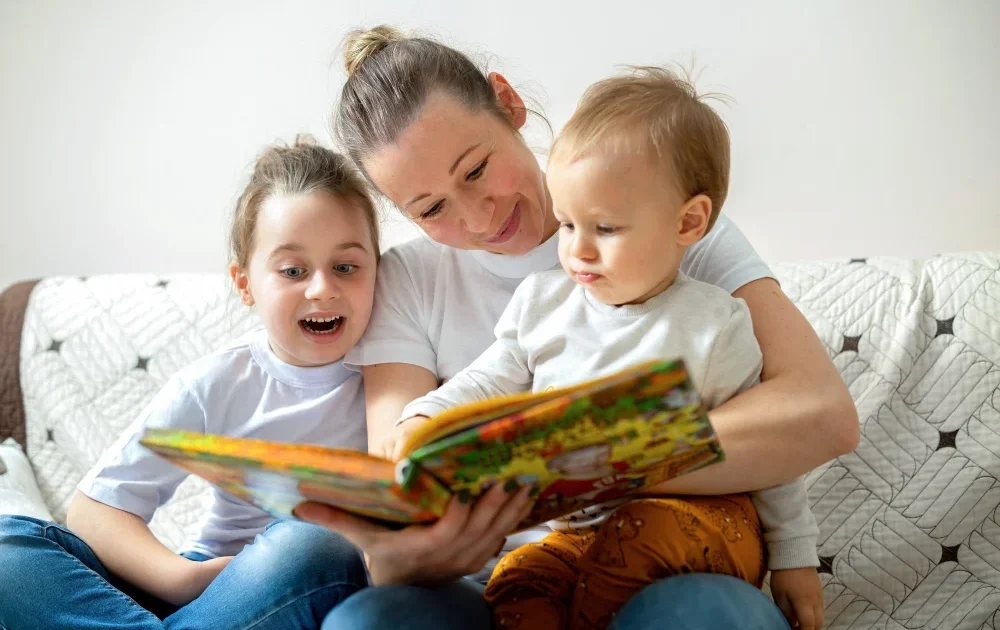
You’re halfway through a bedtime story when your child stops you. Why did she say that? Why is he hiding? Why didn’t the friend share? It feels like the story has been derailed, especially when it’s already past bedtime, but those interruptions are often the best part.
Reading together gives children a quiet rehearsal space for real life. They hear how people speak to each other, notice unfairness, practise waiting, and try out words for feelings that are hard to explain during a playground argument.
At its core, reading with children is also a lesson in language and influence. Stories show children how words affect feelings, how tone changes meaning, and how small phrases can repair, hurt, comfort or connect people.
Stories Slow Social Moments Down
Real conversations move quickly. A child might only realise someone was upset after the moment has passed. In a book, you can pause on a picture, reread a line, or ask what a character might do next.
That slower pace helps children notice clues adults often read without thinking:
- someone standing apart from the group
- crossed arms, tears or a turned-away face
- a quiet voice after a loud disagreement
- someone saying “I’m fine” when the picture suggests otherwise
Those details can lead into talk about apologies, sharing, jealousy or nervousness without making the conversation feel like a lesson.
Books Give Children Better Words
Children can’t always explain jealousy, embarrassment, worry or guilt, but they can often point to a character and say, “He doesn’t like that.” That’s a useful start. Over time, stories give children more words for what is happening inside them and around them.
Reading aloud also encourages two-way conversation, which is why talking around stories can support listening as well as language. You’re not testing comprehension; you’re showing how people ask, answer, disagree, wonder and change their minds.
Different Families Open Gentle Conversations
Books are a simple way to show children that homes, friendships and families don’t all look the same. A story might include a grandparent carer, a child moving house, separated parents or someone hoping to become a foster parent. Seeing those experiences in a story can make real-life differences feel less strange.
That helps children respond to other people’s lives with curiosity. A book gives you time to explain why a question might hurt, how to ask more kindly, or why some children need time.
Reading Together Teaches Turn-Taking
Reading together has its own social rules. Someone holds the book, someone turns the page, someone listens, someone asks to look back. Younger children learn not to grab every page, and older children learn to let a sibling choose sometimes.
These small moments build habits. If a child interrupts every page, you can gently say, “Hold that thought and we’ll come back to it.” The same skills appear later in classrooms, friendships and family conversations.
Choose Books That Invite Real Talk
Not every reading session needs a moral lesson. Funny books, comics, poems and picture books all have their place. The best choices are often the ones your child wants to return to, because repeated reading makes space for new questions.
Stories can support confidence, well-being, and socio-emotional skills when they become part of ordinary family life, not another task to get through. Leave room for silly voices, questions and comments that seem to come from nowhere.
These small reading moments matter because children are not only learning new words. They are learning how language works between people: how to ask gently, listen patiently, apologise clearly, and understand what someone may feel but not say.
Reading with your child won’t solve every friendship wobble. It does give you both a calm place to practise the words, patience and empathy that real conversations need.
FAQs
Reading with children improves communication skills by helping them hear how people ask questions, express feelings, solve problems, apologise, disagree and respond to others. Stories give children a safe space to understand conversations before they face similar moments in real life.
Yes. Bedtime stories can help children recognise emotions such as jealousy, embarrassment, sadness, worry and excitement. When parents pause and ask, “How do you think this character feels?” children begin to connect words with emotions, which helps them express their own feelings more clearly.
Parents can ask simple questions such as, “Why do you think they said that?”, “How would you feel in that situation?”, “What could they say next?” or “Was that a kind way to speak?” These questions teach children to notice tone, feelings, intentions and better ways to communicate.
Yes. Reading aloud naturally teaches patience, turn-taking and active listening. Children learn to wait, follow a conversation, notice details and respond thoughtfully instead of interrupting or reacting too quickly.
Books with friendships, family situations, misunderstandings, apologies, sharing, kindness, conflict or emotional moments are especially useful. Picture books, funny stories and repeated favourites work well because they give children more chances to discuss feelings, choices and better ways to speak.
Read Also: How Should You Respond When Your Child Shares Difficult Feelings?
Read Also: How Emotional Communication Boosts Engagement?
Read Also: Speak with Impact: How Infographics Enhances Communication and Storytelling
Related Articles

Why Small Visual Details Change the Way Online Conversations Feel
Online communication is usually discussed as a problem of words. We think about what to say, how quickly to reply, whether an emoji sounds friendly,…
Read more →
Blue Topaz Engagement Rings: Cool, Calm, and Distinctive
Of all the colors topaz comes in, blue is the most beloved - and for an engagement ring, blue topaz offers a cool, serene beauty…
Read more →
How Everyday Words Help Children Settle Into a New Home
A child entering a new home listens before they join in. They notice whether adults explain the plan, whether questions arrive too quickly, and whether…
Read more →