Why Communication Skills Matter More Than You Think at Medical Camps
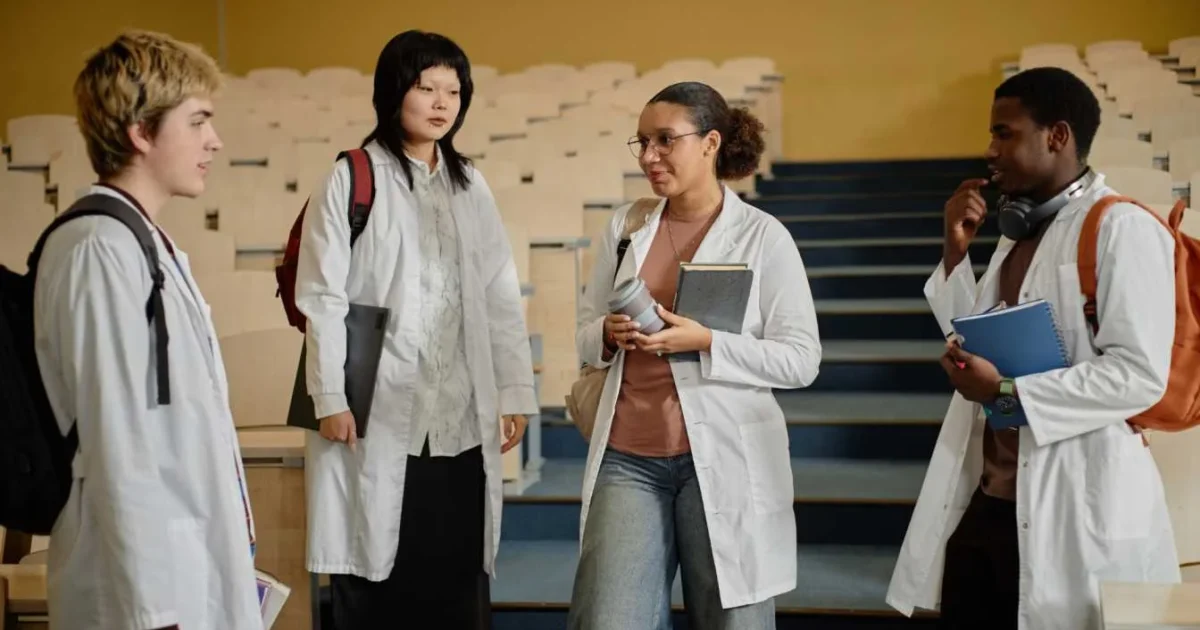
Good communication doesn’t just smooth things over; it literally saves lives. And if you’re a student with a healthcare dream, waiting until med school to develop that skill is waiting too long.
Research makes the case clearly, 98% of early-year medical students reported benefiting from communication skills training, with 78% rating the benefit as substantial. Those numbers should stop you mid-scroll.
Communication in medical camps gives young, aspiring healthcare professionals a rare and structured environment to build these instincts before they ever step near a hospital.
The Role of Communication in Medical Camps for Middle Schoolers
Here’s the honest truth: Strong communication in medical camps isn’t some bonus feature tacked onto the agenda. It’s the entire scaffolding that holds the learning experience together. When real-world healthcare scenarios are introduced, a student’s ability to listen, explain, and respond becomes just as critical as whatever clinical skill they’re picking up that afternoon.
Why Starting Early Actually Changes the Trajectory
Habits form early. That’s not a motivational quote; it’s neuroscience. A well-designed medical camp for middle schoolers builds deliberate communication practice into every layer of the program, precisely because this is the window when those instincts take root most naturally.
Students who practice patient conversations and team discussions at this age don’t have to unlearn bad habits later. They carry those instincts forward, through high school, through college applications, and eventually into clinical settings where real stakes are involved.
How Communication Shapes the Entire Camp Experience
Think about it: every single camp activity, whether it’s a dissection, a case study review, or a group diagnosis exercise, requires students to ask questions, explain their thinking, and actually hear what their peers are saying.
Medical camp teamwork collapses without it. Without clear communication, even the most thoughtfully designed clinical exercise falls flat, no matter how exciting the materials are.
Building Student Communication Skills: The Methods That Actually Stick
Knowing why communication matters is genuinely useful. But knowing how to teach it effectively? That’s where most programs either rise or fall. The best camps aren’t relying on passive lectures; they’re using immersive, research-backed activities that push students into real discomfort and real growth.
Group Simulations and Role-Play Scenarios
Patient-actor simulations, emergency response scenarios, and telehealth role-plays rank among the most effective tools in clinical communication training.
These aren’t comfortable exercises. They’re designed to be a little nerve-wracking, because clarity and empathy can’t be practiced from the sidelines.
Evidence consistently shows that simulation-based approaches build both confidence and emotional intelligence in young learners far more effectively than lecture formats alone.
Peer Feedback and Honest Reflection
The growth doesn’t stop when the role-play ends. Structured peer feedback circles give students the rare chance to articulate what worked, what fell flat, and, crucially, why. More camps are now incorporating video review sessions and peer-evaluation tools so students can watch themselves communicate in real time. That self-awareness is often more powerful than anything an instructor says.
Medical Camp Teamwork: Where Communication Gets Genuinely Tested
If simulations light the spark, medical camp teamwork is where the fire gets tested. Collaborating with peers who see things differently, and sometimes loudly disagree, is precisely the environment where the most meaningful communication growth happens. There’s no shortcut around it.
Working Across Roles Early On
When students take on roles representing nurses, physicians, and allied health professionals within the same exercise, something shifts.
They quickly learn that nobody’s expertise alone is enough. Interdisciplinary projects and team challenges teach students, in a very hands-on way, that meaningful collaboration requires every voice at the table.
Practicing those student communication skills early gives them a genuine advantage they can’t fake later.
Navigating Conflict Without Shutting Down
Collaboration is rewarding, and it’s also messy. Camps that weave in teach-back techniques, mental wellness check-ins, and growth mindset debriefs give students actual tools for working through disagreements.
Positive peer recognition practices reinforce a culture where honest, respectful communication becomes the norm rather than the exception.
Communication Importance for Students: The Skills That Travel With Them
The importance of communication for students doesn’t stop at the camp gates. What gets built in those programs tends to surface again in classrooms, extracurriculars, job interviews, and, eventually, patient rooms.
From Camp to Classroom
Students who’ve gone through communication-focused camp programs consistently report stronger participation in class discussions and greater ease in taking on leadership roles. Many former campers describe presenting a medical case at camp as the thing that finally gave them confidence to speak up in school settings that once felt intimidating. That transfer of skills is, arguably, the most durable gift a program can offer.
Learning to Communicate in a Digital Healthcare World
Today’s healthcare doesn’t just happen in exam rooms. Telemedicine is here, and it’s not going anywhere. Learning to maintain eye contact on a video call, choose words carefully without visual cues, and navigate digital healthcare platforms, these are becoming core clinical competencies.
Camps that incorporate telehealth communication prepare students for a medical future that’s already well underway.
Read Also: How Can I Speak Confidently in Front of Strangers?
Strategies That Make Clinical Communication Training Actually Work
The most effective communication training is intentional; it doesn’t emerge from good vibes alone. It’s designed, technology-supported, and culturally informed.
VR, AI, and Real-Time Feedback Tools
Virtual reality patient interactions and AI-driven communication assessment tools are reshaping how students practice. Instead of repeating the same scripted role-play, students now receive real-time feedback on tone, pacing, and word choice.
For a generation that’s grown up with screens, this approach to clinical communication training feels engaging rather than forced, and the learning sticks differently.
Cultural Competency Isn’t Optional
Technology can sharpen delivery. But who you’re communicating with matters just as much. Camps that use plain language techniques, multilingual resources, visual aids, and cultural awareness modules teach students not just to communicate well, but to communicate with everyone. In real-world healthcare settings, that distinction is enormous.
Read Also: Speak with Impact: How Infographics Enhances Communication and Storytelling
Tracking Growth: How to Know the Skills Are Actually Developing
None of this matters if there’s no way to measure it. Communication rubrics, self-evaluation surveys, and video-based peer reviews give both students and facilitators concrete, specific data.
Student communication skills improve most reliably when feedback is tied to real scenarios and delivered promptly, not issued as vague encouragement two weeks later. Programs that use structured assessment cycles see stronger skill retention and more confident students walking out the door.
Frequently Asked Questions
1. Why are communication skills important in medical camps?
Communication skills are essential in medical camps because they help volunteers and students clearly understand patients’ symptoms, explain treatments, and provide reassurance. In fast-paced camp settings, effective communication ensures accuracy, safety, and better patient outcomes.
2. How do communication skills improve patient care at medical camps?
Clear communication helps patients describe their issues more accurately and enables caregivers to respond appropriately. It reduces misunderstandings, builds trust, and ensures patients follow medical advice correctly, even after they leave the camp.
3. Why do students need strong communication skills in medical camps?
Students often interact directly with patients, doctors, and team members. Strong communication helps them ask the right questions, explain basic medical instructions, and confidently handle real-world healthcare situations.
Communication That Goes a Long Way
Communication in medical camps isn’t a supplementary module. It’s the thread that connects everything, from teamwork dynamics to telehealth readiness, from peer collaboration to patient empathy. Every aspect of a student’s future healthcare career will hinge, in some way, on how well they listen, explain, and connect with others.
Prioritizing communication importance for students early, really early, gives the next generation of healthcare professionals a head start that no amount of late cramming can replicate. If you’re a parent evaluating programs, an educator designing curriculum, or a student wondering whether camp is worth it: invest in communication now.
The careers being built on the other side of that decision are stronger, more compassionate, and genuinely more prepared for everything medicine asks of them.
Related Articles
How Reading with Your Children Inspires Real-Life Social Skills
You’re halfway through a bedtime story when your child stops you. Why did she say that? Why is he hiding? Why didn’t the friend share?…
Read more →
Why the Best Leaders are Expert Communicators?
It’s a universal truth that knowing what to say is important, but knowing how to say it matters even more. Nowhere is this more evident…
Read more →
6 Communication Skills That Make Change Easier to Navigate
Confidence is rarely built in one big moment. More often, it grows through the tone of ordinary days: the way you listen, the way you…
Read more →