
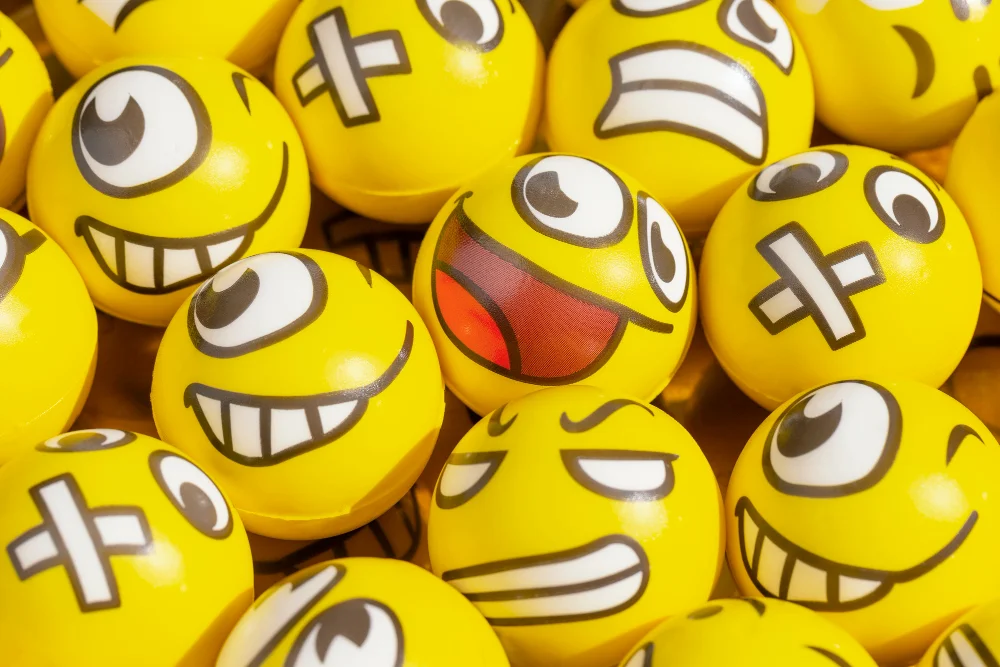
Have you ever sent a smiley emoji thinking it was friendly, only to realise later it sounded passive‑aggressive, awkward, or even rude?
I still remember an uncomfortable moment early in my academic career. I emailed a senior colleague to thank them for feedback and added a simple 🙂 to soften the tone.
The reply was polite—but noticeably cold. Later, a mentor quietly told me: “That emoji can sound dismissive in professional British English.” That small interaction taught me something powerful: smiley face emojis are not universal, neutral symbols. They carry emotional, cultural, and contextual meaning.
Today, smiley emojis shape how we communicate in texts, emails, WhatsApp groups, Slack channels, and even academic and professional spaces.
Understanding what each smiley face emoji actually means—and how it’s interpreted by real people—is no longer optional. It’s a digital literacy skill, just like tone of voice or body language.
This guide breaks down all smiley face emojis and their real meanings, based on Unicode definitions, behavioural research, linguistics studies, and real‑world usage patterns.
It’s written to help you avoid miscommunication, improve emotional clarity, and use emojis confidently—whether you’re messaging friends, colleagues, or clients.
Why Smiley Face Emojis Matter More Than You Think
Smiley emojis aren’t decoration. They’re emotional signals.
According to research published in Social Psychological and Personality Science, emojis function as digital facial expressions, helping receivers infer emotion and intent when non‑verbal cues are missing. However, interpretation varies by age, culture, platform design, and relationship context.
A 2023 report by Adobe’s Future of Creativity study found that:
- 71% of people feel emojis make communication more empathetic
- 58% have misunderstood the tone of a message because of an emoji
- Over 40% avoid using emojis in professional settings due to fear of misinterpretation
So yes—choosing the wrong smiley can quietly undermine your message.
The Psychology Behind Smiley Emojis
Before decoding each emoji, it helps to understand how people interpret them.
Professor Vyv Evans, linguist and author of The Emoji Code, explains that emojis act as pragmatic markers—they don’t replace words; they modify them. A sentence plus an emoji becomes a new emotional unit.
For example:
- “Sure.” 😄 → enthusiastic agreement
- “Sure.” 🙂 → neutral or polite
- “Sure.” 😏 → ironic or sceptical
Same word. Entirely different meaning.
Classic Smiley Face Emojis and Their Meanings
🙂 Slightly Smiling Face
Core meaning: Politeness, mild friendliness, emotional restraint
This is one of the most misunderstood emojis. While it looks harmless, many users—especially younger generations—interpret it as passive‑aggressive, formal, or emotionally distant.
Real‑world use:
- Professional emails
- Polite acknowledgements
- Ending conversations neutrally
Use with caution: Avoid it when you want warmth or excitement. It can feel like a digital equivalent of a tight‑lipped smile.
😀 Grinning Face
Core meaning: Genuine happiness, friendliness, openness
This is the safest positive smiley. It communicates warmth without sarcasm.
Best for:
- Friendly chats
- Group conversations
- Welcoming tone
Tip: If you’re unsure which smiley to use, this one rarely offends.
😃 Grinning Face with Big Eyes
Core meaning: Excitement, enthusiasm, upbeat energy
This feels more animated than 😀 and is often associated with good news.
Example:
“Got the results—we passed 😃”
😄 Grinning Face with Smiling Eyes
Core meaning: Joy, laughter, shared happiness
The smiling eyes make this emoji feel emotionally richer and more sincere.
Psychological insight: Studies show people trust faces with eye involvement more than mouth‑only smiles.
😁 Beaming Face with Smiling Eyes
Core meaning: Proud happiness, achievement, slightly cheeky joy
Often used after success or personal wins.
Example:
“Finally submitted my thesis 😁”
Laughing and Amused Smiley Emojis
😆 Grinning Squinting Face
Core meaning: Big laughter, playful embarrassment
This conveys uncontrolled amusement—often at yourself.
😅 Grinning Face with Sweat
Core meaning: Relief, awkward humour, ‘that was close’
This emoji is emotionally complex and extremely human.
Example:
“Just realised the deadline is tomorrow 😅”
😂 Face with Tears of Joy
Core meaning: Something is genuinely hilarious
Oxford Dictionaries once named this emoji Word of the Year—and for good reason. It signals strong emotional laughter.
Warning: Overuse can feel exaggerated or dismissive in serious conversations.
🤣 Rolling on the Floor Laughing
Core meaning: Extreme humour, absurdity
Stronger than 😂 and best saved for informal spaces.
Soft, Warm, and Emotional Smiley Emojis
😊 Smiling Face with Smiling Eyes
Core meaning: Warmth, gratitude, kindness
This is the emoji people think 🙂 is.
Best for:
- Thank‑you messages
- Emotional support
- Friendly reassurance
☺️ Smiling Face (Classic)
Core meaning: Gentle happiness, nostalgia
Often appears on older platforms and feels softer, almost handwritten.
🥰 Smiling Face with Hearts
Core meaning: Affection, appreciation, emotional closeness
Not always romantic—it can express fondness or admiration.
😍 Smiling Face with Heart Eyes
Core meaning: Love, admiration, strong liking
Used for people, pets, food, or experiences you adore.
Smug, Ironic, and Ambiguous Smiley Emojis
😏 Smirking Face
Core meaning: Sarcasm, flirtation, hidden meaning
This emoji relies heavily on context and relationship.
Risk: Can come across as manipulative or arrogant if misused.
😌 Relieved Face
Core meaning: Calm satisfaction, emotional release
Often used after stress passes.
😎 Smiling Face with Sunglasses
Core meaning: Confidence, coolness, playful self‑assurance
Effective when used lightly—not seriously.
When Smiley Emojis Go Wrong (And How to Avoid It)
From my own experience supervising postgraduate students, the most common emoji mistake is emotional mismatch—using a cheerful emoji in a serious or sensitive context.
Avoid smiley emojis when:
- Delivering criticism
- Discussing conflict
- Addressing emotional distress
Dr Gina Neff, behavioural scientist at Cambridge, notes that emojis can unintentionally invalidate emotions if they clash with message content.
Cultural and Generational Differences
Smiley meanings shift across cultures:
- UK & Europe: 🙂 can feel formal or distant
- US: 🙂 often seen as polite
- Gen Z: 🙂 may signal irony or annoyance
- Millennials: 🙂 still neutral
Rule of thumb: Mirror the emoji style of the person you’re communicating with.
Practical Guidelines for Using Smiley Emojis Well
- Match emotional intensity to the message
- Use warmer emojis (😊 😄) for gratitude
- Avoid ambiguous emojis in professional settings
- When unsure, leave emojis out
Frequently Asked Questions (FAQ)
What is the safest smiley emoji to use?
😄 or 😊 are widely perceived as warm and sincere.
Is 🙂 passive‑aggressive?
It can be—especially among younger users or in professional contexts.
Should emojis be used at work?
Yes, but sparingly and contextually. Relationship and organisational culture matter.
Do emojis affect trust?
Yes. Studies show emotionally congruent emojis increase perceived warmth and trust.
Final Thoughts: Emojis Are Emotional Language
Smiley face emojis are not trivial. They’re part of a fast‑evolving emotional language that shapes how we’re perceived—sometimes more than our words.
Used thoughtfully, they build warmth, clarity, and connection. Used carelessly, they create confusion or distance.
If this guide helped you see emojis differently, I’d love to hear your experiences. Which smiley has caused the most confusion for you—or saved a conversation?
Drop a comment, share this with someone who overuses 🙂, or bookmark it for your next message.
Because in the digital world, how you smile matters.
Read Also: Orange Heart Emoji Meaning and How to Respond to It
Want to master every emoji?
Get the 3500+ Emoji Meanings Guide — Contains the meanings of all the emojis used in texting.
👉 Download it here



Appreciate this post. Let me try it out.