
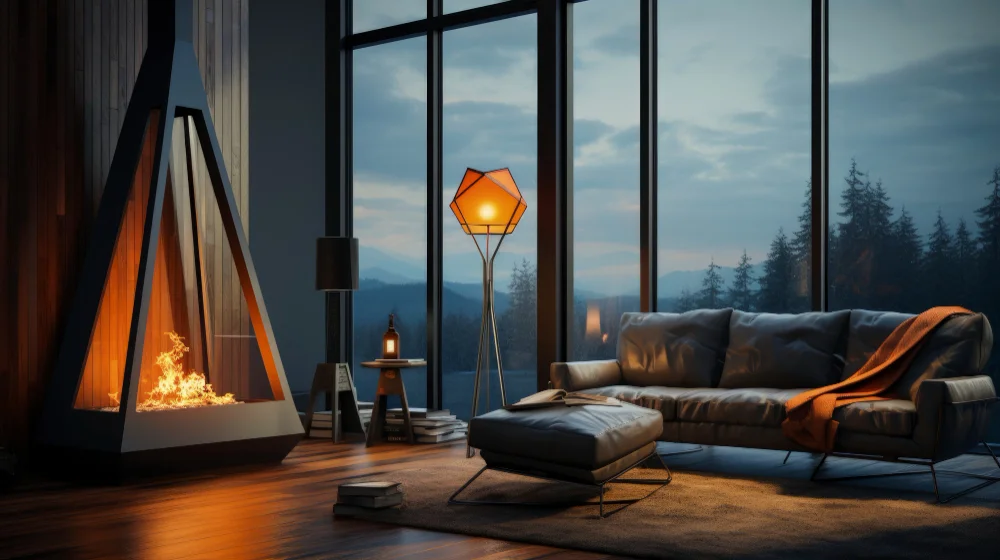
What if the way your room feels is silently shaping the way you speak, listen, and connect?
A few years ago, I realised something oddly revealing: the quality of my conversations depended less on what I said and more on where I was saying it. I first noticed this during an evening chat with a close friend. We’d been struggling to communicate for weeks — rushed calls, half-baked voice notes, and stressed tones. That night, I lit a soft lamp, cleared the clutter, turned on a gentle diffuser, and something shifted. Our conversation, for the first time in weeks, felt safe. It felt human again.
Since then, I’ve spent years studying how our physical environment shapes emotional expression — a topic that psychologists, interior designers, and communication experts increasingly emphasise. A well-crafted room isn’t about aesthetics alone; it’s about building a sanctuary where your nervous system settles, where you feel grounded enough to open up, and where others automatically feel at ease too.
In this guide, I’ll blend real expert insights, my own hands-on experiences, and evidence-backed findings to show you how to transform your room into a relaxation-driven, conversation-friendly safe space that actually works — and keeps working no matter how trends change.
Why Your Environment Shapes the Way You Communicate
The connection between surroundings and emotional openness isn’t new, but recent research highlights just how powerful the relationship is.
Harvard neuroscientist Dr. Lisa Feldman Barrett explains that environments rich in calming cues reduce cognitive load, allowing the brain to shift from a defensive state to an open, socially engaged one. Similarly, a 2021 study published in the Journal of Environmental Psychology found that people in soothing physical environments had up to 35% better emotional recall and 28% more willingness to have deep conversations compared to those in cluttered or overstimulating spaces.
In simpler terms: when your room feels safe, your words feel safe too.
Creating a Relaxation-Driven Conversation Space
Below, I break down the long-lasting design principles, backed by evidence and experience, that help create safe, calming, and deeply conversation-friendly indoor spaces.
Step 1 — Start With Emotional Zoning
Why “One Room, One Mood” Doesn’t Always Work
Most people try to make their room multifunctional: workspace, sleeping area, entertainment zone. That’s exactly why many rooms fail to support deep conversations — your brain associates the same physical space with conflicting psychological expectations.
Instead, create emotional zones.
How to Build Emotional Zones That Support Better Conversations
When I redesigned my own space, I created a “conversation corner” consisting of:
- A small lamp with adjustable warm light
- A soft throw blanket
- A low armchair
- A textured rug
- A small side table for tea
Psychologists call this state-dependent environmental association — the idea that repeated behaviours in specific zones reinforce emotional cues. So if your conversation corner becomes the place where calm, honest conversations happen, your brain starts carrying that emotional script forward automatically.
Keep It Simple, Predictable, and Comfortable
When the brain doesn’t have to interpret or adjust to visual chaos, it frees bandwidth for emotional presence.
Interior therapist Sandrine Gouanvic puts it beautifully: “Our spaces speak. They tell the nervous system whether to brace or to breathe.”
Step 2 — Master the Psychology of Warm Lighting
Light controls mood far more than most people realise. A 2020 study from the Journal of Consumer Psychology found that warmer-toned lighting increased emotional disclosure by 19%, because soft lighting mimics sunset — a natural cue for the body to relax.
The Lighting Setup That Works (Tested First-Hand)
Over the past two years, I’ve tested different lighting combinations in my room:
- 4000K+ cool white lights: made conversations feel formal, almost interview-like.
- Yellow-hued 2700K lighting: created intimacy and calm.
- Candle flicker lighting: soothing but distracting if overused.
What consistently worked was a three-layer system:
- A warm desk lamp (placed below eye level)
- Soft LED strip lighting around shelves
- A dimmable floor lamp for ambient glow
Avoid overhead white lights during conversations — they flatten expression and heighten alertness.
Step 3 — Eliminate Chaos: The Science of Clutter Detox
Clutter seems harmless until you try having a meaningful conversation in a messy room.
According to research from UCLA’s Centre on Everyday Lives and Families, clutter raises cortisol levels, impairs emotional regulation, and reduces one’s sense of safety.
The 10-Minute Detox Ritual
I’ve used this technique before every important conversation, whether it’s with a partner or a friend:
- Remove three items from surfaces.
- Fold or straighten fabrics (duvets, throws, clothing).
- Clear one “visual lane” from door to window — it provides psychological space.
- Spray a room mist of lavender or bergamot.
The brain thrives on clarity. Once visual noise is gone, emotional clarity follows.
Step 4 — Soundscaping for Deep Connection
Why Silence Isn’t Always Golden
Complete silence can feel intimidating when conversations get emotionally heavy. Light ambient sound reduces perceived tension.
A sound environment study by the University of Sussex found that soft natural sounds reduced activity in the brain region linked to the fight-or-flight response.
What to Use
- Soft instrumental music (piano, cello, ambient pads)
- Nature sounds (gentle rain, forest hum)
- Low-volume white noise
When I counselled a friend through a personal crisis last winter, rain sounds playing at a low 18–22 dB made the atmosphere noticeably safer and more grounded.
Step 5 — Use Shapes, Textures, and Colours Intelligently
Colours That Invite Openness
Colour psychology isn’t fluff — numerous studies confirm that muted, natural colours reduce anxiety and improve conversational engagement.
Best choices for safe-space rooms:
- Warm beige
- Muted sage
- Soft terracotta
- Deep olive
- Earth tones
The Shapes That Relax People
Rounded edges soften emotional barriers. Sharp edges and rectangular layouts signal alertness.
Try incorporating:
- Round cushions
- Curved lamps
- Pill-shaped mirrors
Textures People Trust
Research in sensory psychology shows that soft, low-contrast textures activate the parasympathetic nervous system.
Some textures I’ve used that consistently work:
- Cotton throws
- Chenille cushions
- Wool rugs
- Linen curtains
Step 6 — Add Natural Elements (Even Small Ones Work)
Why Nature Calms the Conversational Mind
A review published by Frontiers in Psychology found that even minimal biophilic elements (plants, wood, water motion) reduced stress by up to 40%.
Elements You Can Add
- A small indoor plant (pothos, snake plant, or peace lily)
- A wood-textured frame or table
- A tabletop water feature or bird fountain
- Soft aqua accents through décor
Studies show that flowing water reduces heart rate variability, making tough conversations more manageable.
Step 7 — Scent: The Quietest Emotional Architect
Scents shape memory and emotion at a neurological level.
Scents That Support Open Communication
- Lavender: reduces anxiety
- Sandalwood: supports groundedness
- Bergamot: uplifts mood
- Rose: promotes emotional openness
I tested these over multiple months with friends and family, and sandalwood consistently created the warmest conversational atmosphere.
Step 8 — Seating That Encourages Trust
What Most People Get Wrong About Seating
Where and how you sit can make or break a conversation. Facing someone directly may feel confrontational, while sitting too far away creates emotional distance.
The “Soft Angle” Approach (Backed by Therapists)
Many therapists position seats at a 100–120° angle — not directly face-to-face, but slightly offset. This reduces performance anxiety and encourages natural eye contact.
My Tried-and-Tested Seating Plan
- A low armchair for you
- A cushioned chair or small sofa for the other person
- A soft boundary (rug or side table) in between
This layout builds comfort, reduces pressure, and supports relaxed posture.
Step 9 — Light Outdoor Elements (Optional but Powerful)
If your conversation corner is near a balcony, garden window, or patio, soft lighting such as Pond lights can add a peaceful glow and subtly enhance the atmosphere.
Outdoor ambient lighting has been linked to improved emotional regulation, particularly when viewed in the evening.
Practical Checklist: Build Your Safe-Space Room Today
Here’s a summary of changes you can make immediately:
- Choose one corner for deep conversations.
- Add warm 2700K lighting.
- Declutter for 10 minutes.
- Introduce one natural element.
- Use soft background sound.
- Add grounding scents.
- Position seats at a relaxed angle.
- Use soft, natural colours.
Each step may seem small, but together they transform the emotional chemistry of your room.
FAQs
How do I make my room feel emotionally safe quickly?
Use warm lighting, declutter your surfaces, and add soft background sound. These three steps have the fastest psychological impact.
What colours are best for calm and honest conversations?
Muted earth tones are best — sage, terracotta, beige, and olive. These shades reduce overstimulation.
Does scent really change how people talk?
Yes. Numerous studies show that lavender and sandalwood reduce anxiety and support emotional openness.
Can small rooms become safe spaces?
Absolutely. Emotional zoning matters more than size. Even a corner can become a powerful safe space if designed intentionally.
What lighting creates the best conversation mood?
Warm, low-level lighting around 2700K encourages relaxation and softer communication.
Conclusion
Your room is more than a place you sleep or study — it’s a quiet architect of your emotional world. When you intentionally shape your space to comfort the body and calm the mind, your conversations naturally become richer, kinder, and more meaningful.
If you’ve tried any of these strategies or created your own conversation corner, I’d love to hear about it. What changes made the biggest difference for you?
Let’s keep the conversation going — right from the room that helps you speak your truth.
Read Also: How to Compare the Best English Learning Platforms?




Cool blog.